
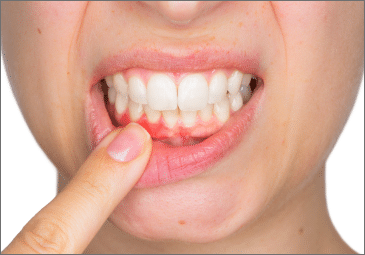
A bit of blood in the sink might not seem like a big deal.
Lots of people notice bleeding when they brush or floss, then carry on as usual. No pain. No obvious swelling. No real reason to worry, or so they think.
But bleeding gums are rarely random. In many cases, they are one of the first signs of inflamed gums. That early stage is called gingivitis.
The good news is that gingivitis is often easier to manage when it is picked up early. Leave it too long, and it can develop into a more serious gum problem.
If you have noticed bleeding gums, tenderness or ongoing bad breath, it is worth seeing a dentist before it becomes harder to treat.
Why do gums bleed?
Healthy gums do not usually bleed during normal brushing or flossing.
When gums bleed, the most common cause is plaque build-up around the gumline. Plaque is a sticky layer of bacteria that forms on your teeth every day. If it is not removed properly, it starts to irritate the gums. They become inflamed, sensitive and more likely to bleed.
That is how gingivitis begins.
Other factors can make the problem worse, including:
- inconsistent brushing and flossing
- missed dental cleans
- smoking
- dry mouth
- hormonal changes
- certain medications
- poorly fitted dental appliances
- existing health conditions
For many patients, it comes back to the basics. Plaque builds up, the gums become irritated and the body reacts.
What is gingivitis?
Gingivitis is the early stage of gum disease.
It affects the gum tissue around the teeth and often shows up through mild but noticeable symptoms. The tricky part is that many people wait until things feel painful or serious before they act. Gingivitis does not always work like that. It can sit in the background for months while the signs slowly build.
Common signs of gingivitis include:
- bleeding when brushing or flossing
- red or swollen gums
- tenderness along the gumline
- bad breath that keeps coming back
- gums that look puffy instead of firm
At this stage, treatment is usually much simpler than it is later on. That is why early action matters.
When bleeding gums mean it is time to book in
Not every dental issue needs urgent treatment, but bleeding gums should not be ignored, especially if it keeps happening.
You should book a dental appointment if:
- your gums bleed more than once or twice
- your gums look swollen or darker than usual
- brushing feels uncomfortable
- your breath stays unpleasant even after cleaning
- your gums seem to be pulling back from your teeth
- it has been a while since your last clean or check-up
The mistake many people make is waiting for pain. Gum disease often gets worse quietly.
What happens if you leave gingivitis untreated?
This is where a small issue can turn into a bigger one.
Gingivitis starts in the gums, but if the inflammation is left untreated, it can move deeper into the structures that support your teeth. Once that happens, treatment becomes more involved and the risk to your long-term oral health increases.
You may end up dealing with:
- gum recession
- ongoing inflammation
- tenderness when eating
- pockets around the teeth
- loose teeth in more advanced cases
That does not mean every case of bleeding gums leads to severe gum disease. It does mean the early warning signs are worth taking seriously.
How a dentist can help with bleeding gums
The first step is working out what is causing the bleeding.
Sometimes it is straightforward early gingivitis. Sometimes there are other contributing issues, such as tartar build-up, problems with oral hygiene technique, dry mouth or irritation around dental work.
A dental check-up can help identify:
- whether gingivitis is present
- how much plaque or tartar has built up
- whether the gums are receding
- whether deeper gum disease may be developing
- what treatment or maintenance plan makes sense
Treatment often includes a professional clean to remove plaque and tartar, along with advice on improving home care. In early cases, that can make a real difference fairly quickly.
This is not about being judged for your brushing habits. It is about getting on top of the problem while it is still manageable.
What you can do at home to improve gum health
Dental treatment helps, but what you do every day matters just as much.
Brush properly, not aggressively
Use a soft toothbrush and clean along the gumline with gentle pressure. Scrubbing harder is not better.
Clean between your teeth
This is where plaque often sits undisturbed. Floss or interdental brushes can help remove build-up from the areas your toothbrush misses.
Do not stop brushing because you see blood
This is common, and stopping usually makes things worse. Bleeding caused by gingivitis often improves when plaque is removed more consistently.
Keep up with regular dental visits
A professional clean removes hardened build-up that cannot be brushed away at home.
Pay attention to changes
If your gums feel different, look swollen or bleed repeatedly, act early.
Why early treatment matters
The best time to deal with gingivitis is at the beginning.
Early treatment is usually simpler and often more comfortable. It can also help you avoid more extensive dental treatment later.
There is also the everyday side of it. Sore, bleeding gums can affect confidence. People notice blood when they spit, feel self-conscious about bad breath or avoid flossing because they think it is making the problem worse. It becomes a cycle.
Getting proper advice can help break that cycle.
Bleeding gums are worth checking
Bleeding gums are easy to dismiss, but they should not be ignored.
They are often the first sign that your gums need attention. In many cases, the cause is gingivitis, and that is something worth dealing with early. A check-up, a professional clean and a better home care routine can go a long way.
For patients looking for a dentist, getting clear advice early can stop a mild problem from becoming a bigger one. If your gums have been bleeding, now is a good time to book an appointment with Fremantle Dental Care and have them checked.